
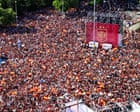
Spain's World Cup Mania: Why Thousands Flock to Madrid in 34C Heat
As the Spanish national team touches down in Madrid, the city is bracing for a weekend of non-stop celebrations. But what drives thousands of fans to brave the sweltering heat and join the festivities in the Plaza de Cibeles?
The Psychology of World Cup Fever
For Spaniards, the World Cup victory is not just a sporting triumph – it's a national obsession. The sense of pride and belonging that comes with being part of La Roja is palpable, and it's what draws fans to the streets in their thousands.
According to Dr. Maria Rodriguez, a sports psychologist at the University of Madrid, the World Cup is a rare moment when the country comes together as one. "It's a cultural phenomenon that transcends politics, economics, and social divisions," she says. "The fans are not just cheering for their team – they're cheering for their country, their identity, and their sense of self."
This sense of national pride is what drives fans to brave the heat and join the celebrations in the Plaza de Cibeles. The crowds are expected to swell to tens of thousands, with many fans camping out overnight to secure a prime spot.
"It's not just about the football – it's about being part of something bigger than ourselves," says Juan Sanchez, a 32-year-old fan who has been following La Roja since he was a child. "We're not just celebrating a win – we're celebrating our culture, our history, and our sense of community."
The Economic Boost of World Cup Fever
While the celebrations are a testament to the power of football to bring people together, they also have a significant economic impact on the city. Hotels, restaurants, and bars are expected to see a surge in bookings and sales, with many businesses capitalizing on the World Cup frenzy.
According to the Madrid Tourist Board, the city is expected to welcome over 100,000 visitors during the World Cup celebrations, with many fans coming from across Spain and abroad. "The World Cup is a major boost for our economy, and we're expecting a significant increase in tourism revenue," says Maria Lopez, a spokesperson for the board.
With an estimated €1 billion in economic benefits expected from the World Cup celebrations, the city is gearing up for a major influx of visitors. From fan zones to street parties, there's no shortage of ways for fans to soak up the atmosphere and join in the celebrations.
The Future of Spanish Football
As the city celebrates La Roja's World Cup victory, there's also a sense of excitement about the future of Spanish football. With a new generation of talented players emerging, the team is poised for success in future tournaments.
According to coach Luis Enrique, the key to Spain's success lies in its ability to adapt and innovate. "We've worked hard to develop a new style of play that's focused on possession and creativity," he says. "We're proud of what we've achieved, but we know there's still much work to be done."
As the celebrations continue in Madrid, fans are already looking forward to the next chapter in La Roja's history. With a new generation of players and a renewed sense of purpose, the future looks bright for Spanish football.
With the city still basking in the glory of La Roja's World Cup victory, one thing is clear: the fans will be back, ready to cheer on their team and celebrate their culture. The question is, what's next for Spanish football?

The answer, of course, will only be revealed in time. But one thing's for sure – the love affair between Spain and football will continue to grow, and the city of Madrid will remain at the heart of it all.
Source: Guardian | Original Article